
Kedarnath is not just a temple; it is a symbol of faith, devotion, and spiritual awakening. Nestled amidst the majestic Garhwal Himalayas in Uttarakhand, Kedarnath attracts millions of devotees every year who undertake a challenging journey to seek the blessings of Lord Shiva. Revered as one of the twelve Jyotirlingas of Lord Shiva, Kedarnath holds a unique and unparalleled place in Hindu spirituality.
The temple’s ancient history, mythological significance, breathtaking location, and deep spiritual aura make it one of the holiest pilgrimage destinations in India. But what exactly makes Kedarnath one of the most sacred Jyotirlingas?
Let’s explore the religious, historical, and spiritual importance of Kedarnath and why devotees consider a visit to this sacred shrine a life-changing experience.
Before understanding the significance of Kedarnath, it is important to know what a Jyotirlinga is.
The word “Jyotirlinga” is derived from two Sanskrit words:
According to Hindu scriptures, Lord Shiva manifested himself as an infinite pillar of divine light. The places where this divine light appeared are worshipped as Jyotirlingas. There are twelve sacred Jyotirlingas spread across India, each holding immense spiritual significance.
Among these twelve Jyotirlingas, Kedarnath is considered one of the most revered due to its unique location, mythology, and connection with Lord Shiva.
One of the primary reasons for Kedarnath’s spiritual importance is its extraordinary location.
Situated at an altitude of approximately 3,583 meters (11,755 feet) above sea level, Kedarnath Temple stands amidst snow-covered Himalayan peaks and pristine natural beauty. The temple is located near the source of the Mandakini River, surrounded by towering mountains that create an atmosphere of peace and divinity.
For centuries, sages and saints have considered the Himalayas the abode of the gods. The spiritual energy of these mountains enhances the sanctity of Kedarnath and makes the pilgrimage a deeply transformative experience.
Many devotees believe that merely setting foot in Kedarnath helps purify the soul and brings one closer to divine consciousness.
.
The mythology associated with Kedarnath is one of the most compelling reasons behind its sacred status.
According to the Mahabharata, after the Kurukshetra war, the Pandavas sought forgiveness for the sins committed during the battle. They wanted to seek Lord Shiva’s blessings and absolution.
However, Lord Shiva was displeased by the destruction caused by the war and chose to avoid them. He disguised himself as a bull and hid in the Himalayan region.
When the Pandavas finally located him, Lord Shiva attempted to disappear into the ground. During this process:
These five sites collectively became known as the Panch Kedar temples.
The hump of Lord Shiva manifested at Kedarnath and is worshipped in the form of a unique stone lingam, making it one of the holiest shrines dedicated to Lord Shiva.
Kedarnath is not only a Jyotirlinga but also one of the most important destinations in the sacred Char Dham Yatra of Uttarakhand.
The Char Dham pilgrimage includes:
Among these four shrines, Kedarnath is the principal destination dedicated to Lord Shiva.
Pilgrims undertaking the Char Dham Yatra often regard Kedarnath as the spiritual highlight of their journey. The combination of its Jyotirlinga status and inclusion in the Char Dham circuit further elevates its religious significance.
The Kedarnath Temple is believed to be over a thousand years old.
Tradition states that the original temple was built by the Pandavas and later revived by the great philosopher and saint Adi Shankaracharya in the 8th century.
Constructed using massive stone slabs, the temple is an architectural marvel considering its remote Himalayan location.
One of the most remarkable events in modern history occurred during the devastating Uttarakhand floods of 2013. While much of the surrounding area suffered severe destruction, the Kedarnath Temple remained standing.
A massive rock, now popularly known as the “Divya Shila” or divine rock, is believed to have diverted the floodwaters and protected the temple.
For devotees, this event reinforced their belief in the divine power and protection of Lord Shiva.
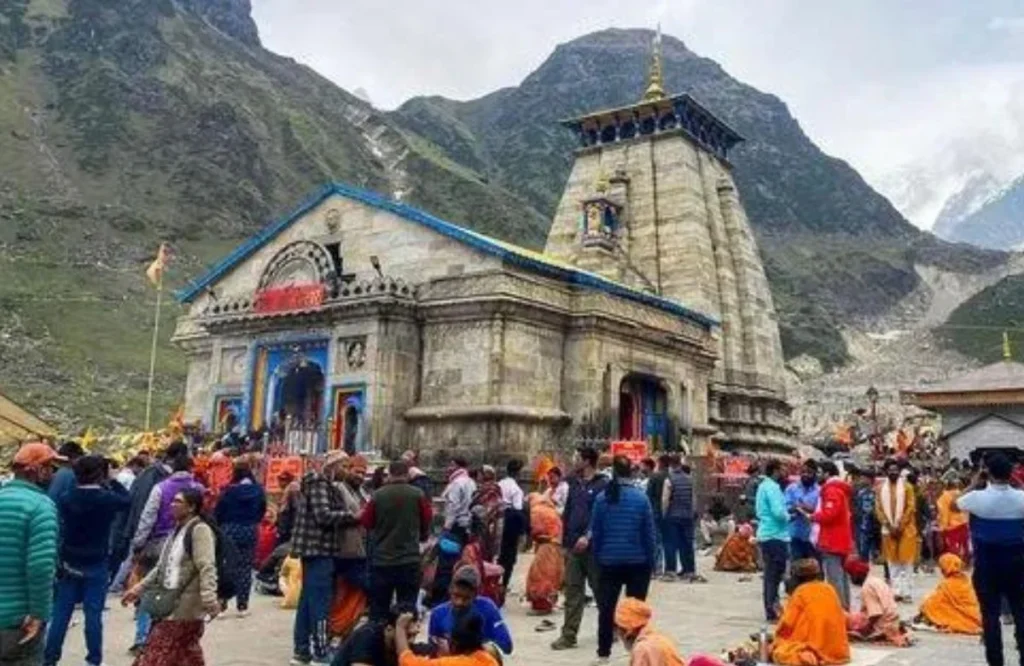
The journey to Kedarnath is often considered as important as reaching the temple itself.
Unlike many temples that are easily accessible, Kedarnath requires devotion, determination, and effort. Traditionally, pilgrims undertake a trek through mountainous terrain to reach the shrine.
This physical challenge symbolizes:
Many devotees describe the Kedarnath Yatra as a journey of both body and soul.
The hardships faced during the pilgrimage often deepen one’s spiritual connection and appreciation for divine grace.
Unlike many Shiva temples where a conventional Shiva Lingam is worshipped, Kedarnath features a naturally formed, irregular stone structure believed to represent the hump of Lord Shiva in his bull form.
This unique representation distinguishes Kedarnath from other Jyotirlingas.
Devotees perform rituals such as:
The sacred atmosphere within the temple creates an unforgettable spiritual experience for visitors.
In Hindu philosophy, attaining Moksha or liberation from the cycle of birth and death is the ultimate spiritual goal.
Kedarnath is widely believed to be a place where sincere devotion can help devotees progress toward spiritual liberation.
Ancient scriptures suggest that worshipping Lord Shiva at Kedarnath:
This belief attracts pilgrims from all parts of India and beyond.
Lord Shiva is often worshipped as the destroyer of ignorance and the transformer of consciousness.
At Kedarnath, devotees experience Lord Shiva in his most powerful and compassionate form.
Many pilgrims report feeling inner peace, emotional healing, mental clarity, spiritual awakening.
The serene Himalayan surroundings further amplify these feelings, creating an environment ideal for meditation and prayer.
Despite difficult terrain and unpredictable weather conditions, millions of pilgrims continue to visit Kedarnath annually.
The reasons include:
For many devotees, visiting Kedarnath is not merely a pilgrimage but a profound spiritual experience that remains etched in memory forever.
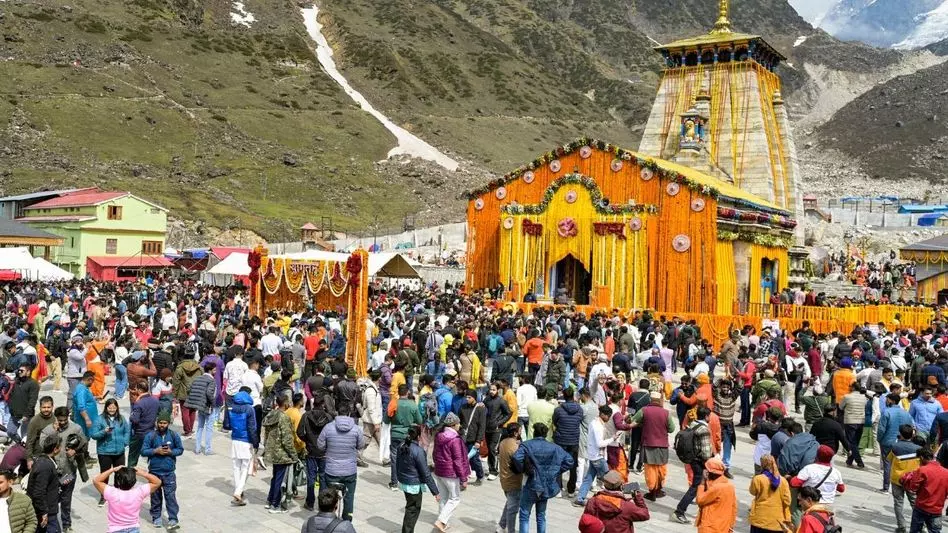
In recent years, helicopter services have made Kedarnath more accessible to pilgrims, especially senior citizens and those with physical limitations.
Pilgrims can now complete their journey more comfortably while still experiencing the temple’s spiritual significance.
Many travelers combine Kedarnath with Badrinath through Do Dham Yatra by Helicopter packages, allowing them to undertake a convenient and memorable pilgrimage.
Despite these modern conveniences, the spiritual essence of Kedarnath remains unchanged.
Kedarnath is considered one of the most sacred Jyotirlingas because of its profound connection with Lord Shiva, its powerful mythology, its breathtaking Himalayan setting, and its ability to inspire spiritual transformation. The temple stands as a beacon of faith, resilience, and divine energy that has drawn devotees for centuries.
Whether you visit as part of the Char Dham Yatra, a Do Dham pilgrimage, or a dedicated Jyotirlinga tour, Kedarnath offers a spiritual experience unlike any other. The journey to this sacred shrine is not just about reaching a destination—it is about discovering devotion, inner peace, and a deeper connection with the divine.
For countless devotees, a visit to Kedarnath is truly a once-in-a-lifetime spiritual journey that leaves a lasting imprint on the heart and soul.