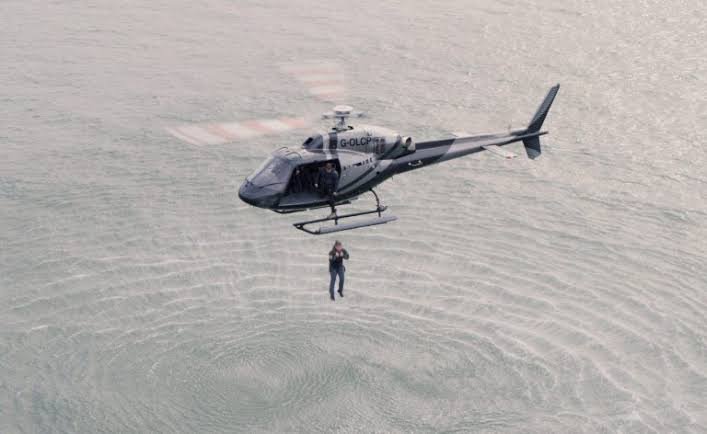
Some of the most memorable scenes in movies are filmed from the sky. Sweeping mountain landscapes, dramatic chase sequences, expansive city skylines, and breathtaking establishing shots give films a visual scale that ground-based cameras often cannot achieve.
For filmmakers, aerial cinematography offers an opportunity to tell stories from a completely different perspective. A helicopter can provide a moving camera platform, help capture changing landscapes, and support carefully planned shots that require flexibility and precise coordination.
If you are planning a feature film, television commercial, music video, or documentary, understanding how helicopter filming works can help you make better production decisions.
What Is Helicopter Aerial Cinematography?
Helicopter aerial cinematography is the process of capturing video or photographs from a helicopter using suitable camera equipment and a professionally coordinated flight operation.
Unlike conventional ground filming, aerial filming allows production teams to capture wide geographical views, follow moving subjects from the air, and create dynamic camera movements.
Depending on the project, aerial footage may include:
- Wide establishing shots of cities, mountains, forests, and coastlines
- Moving shots following vehicles or other approved subjects
- Scenic sequences for travel films and documentaries
- Aerial footage for television advertisements and brand campaigns
- High-angle perspectives for cinematic storytelling
The final result depends on the creative brief, camera setup, aircraft capabilities, environmental conditions, and the experience of the production and aviation teams.
Why Do Film Productions Use Helicopters for Aerial Shots?
1. Capture Large Landscapes
A helicopter can help filmmakers showcase the scale of a location. From Himalayan valleys to urban skylines, aerial footage provides context and visual depth that can be difficult to reproduce from the ground.
These shots are particularly useful for opening sequences, travel documentaries, location-based films, and cinematic transitions.
2. Create Dynamic Moving Shots
Certain scenes require the camera to move alongside a subject rather than remain stationary. Helicopter-based filming can support moving aerial perspectives when the shot is carefully planned and the operation is approved.
This technique can be useful for road sequences, landscape tracking shots, and action-oriented scenes.
3. Add Production Value to Commercials
Brands frequently use cinematic visuals to communicate scale, ambition, movement, and exclusivity.
An aerial sequence can help introduce a destination, showcase a property or resort, or establish the setting for a commercial campaign. The appropriate filming method depends on the creative concept and budget.
4. Reach Locations That Are Difficult to Film From the Ground
Mountainous terrain, expansive natural landscapes, and certain remote locations can present logistical challenges for conventional camera crews.
Aerial filming may provide an alternative perspective, although it does not eliminate the need for ground coordination, location permissions, or safety planning.
Which Projects Can Benefit From Helicopter Filming?
Helicopter aerial cinematography can be considered for a wide range of productions.
Feature films and web series: Capture scenic transitions, establishing shots, and selected action sequences.
Television commercials: Create distinctive visuals for travel, automotive, hospitality, real estate, and lifestyle campaigns.
Music videos: Add sweeping landscapes and cinematic movement to outdoor performance sequences.
Documentaries: Film geographical features, landscapes, and approved aerial perspectives that support the story.
Tourism and destination marketing: Showcase destinations, resorts, mountain regions, and natural attractions from above.
Every project has different requirements. A production team should determine whether a helicopter, drone, ground camera, or combination of techniques is best suited to the intended shot.
How to Plan a Helicopter Film Shoot
Successful aerial filming begins well before the aircraft takes off. Coordination between the director, cinematographer, aviation team, and location managers is essential.
Step 1: Define the Creative Brief
Start by identifying the exact shots required. Specify the scene, location, approximate duration, camera movement, preferred lighting, and intended use of the footage.
A clear brief helps the aviation and production teams assess the feasibility of the proposed shots.
Step 2: Conduct Location and Route Planning
The proposed filming area must be assessed for operational suitability. The team should consider terrain, nearby buildings, restricted areas, weather exposure, and other relevant airspace requirements.
The flight route and filming plan must remain subject to the pilot’s assessment and applicable aviation permissions.
Step 3: Select the Appropriate Camera Setup
The camera system should match the production’s visual requirements and the aircraft’s approved configuration.
Depending on the setup, professional aerial filming may involve stabilised camera systems and suitable mounting arrangements. Aircraft modifications or external equipment installations must be properly approved and installed.
Step 4: Coordinate the Flight and Filming Schedule
Lighting conditions, aircraft availability, location access, and weather can all influence the filming schedule.
A production should allow reasonable flexibility for changes and avoid assuming that a particular shot can be completed regardless of operational conditions.
Step 5: Prioritise Safety and Permissions
Aerial filming requires professional aviation coordination. Relevant permissions, risk assessments, approved equipment, and appropriate separation from people and obstacles must be addressed before operations begin.
The pilot retains responsibility for safe flight operations and may decline or discontinue a shot if conditions are unsuitable.
Helicopter vs Drone for Film Shooting: Which Is Better?
Both helicopters and drones can capture impressive aerial footage, but they serve different production requirements.
| Factor | Helicopter filming | Drone filming |
|---|---|---|
| Large landscape coverage | Useful for expansive aerial perspectives | Depends on aircraft capability and flight limits |
| Moving camera platform | Can support approved moving aerial shots | Suitable for many close-range moving shots |
| Production logistics | Requires aircraft and flight coordination | Usually requires a smaller operational setup |
| Equipment | Depends on approved aircraft and camera configuration | Depends on drone payload and camera system |
| Cost considerations | Can involve substantial aircraft and crew costs | Often more economical for suitable shots |
| Permissions | Subject to aviation and filming requirements | Subject to applicable drone and airspace rules |
There is no universal winner. The right choice depends on the shot, location, duration, equipment, permissions, and budget. Some productions benefit from combining both methods.
What Affects the Cost of Helicopter Film Shooting?
There is no single price that applies to every aerial filming project. The quotation depends on the operational requirements and production scope.
Important cost factors include:
- Aircraft type and availability
- Flight duration and operational planning
- Filming location and positioning requirements
- Camera equipment and mounting configuration
- Crew and ground-support requirements
- Applicable permits and location arrangements
- Weather-related scheduling and contingency requirements
When requesting a quotation, provide the filming date, location, expected duration, type of production, and a brief description of the shots you want to capture.
A detailed project brief makes it easier to assess feasibility and prepare a suitable proposal.
Why Choose FlexAirAviation for Helicopter Film Shooting?
FlexAirAviation offers helicopter services for film shooting, including aerial cinematography for films, commercials, documentaries, and music videos.
For a production team exploring helicopter-based filming, the next step is to discuss the creative requirements and operational feasibility with the service provider.
Before confirming a project, ask about aircraft availability, approved camera configurations, pilot and crew coordination, location permissions, operational limitations, and the proposed cost.
These details help establish realistic expectations and ensure that the planned aerial footage aligns with the production schedule.
Plan Your Next Aerial Film Shoot
Aerial cinematography can transform an ordinary scene into a compelling visual experience. From expansive landscape shots to carefully choreographed moving perspectives, helicopter filming gives production teams another way to bring their creative vision to life.
The key is to begin with a clear shot list, select the right filming platform, and coordinate every stage with qualified aviation professionals.
If you are planning a film, advertisement, documentary, or music video and need helicopter-based aerial footage, contact FlexAirAviation to discuss your requirements.
Contact FlexAirAviation
Phone: +91 8004008835
Email: info@flexairaviation.com
Aircraft availability, filming configurations, permissions, and operational arrangements are subject to confirmation.
Frequently Asked Questions
Can a helicopter be used for commercial film shooting?
Yes, helicopter-based aerial cinematography can be used for suitable commercial productions, subject to aircraft availability, operational feasibility, and the required permissions.
Is helicopter filming better than drone filming?
Not in every situation. Helicopters may suit certain large-scale or moving aerial shots, while drones can be more practical for many smaller productions. The best option depends on the creative brief and operational requirements.
How much does a helicopter for film shooting cost in India?
The cost varies with aircraft type, flight time, location, camera requirements, crew, and permissions. Request a project-specific quotation rather than relying on a generic hourly estimate.
Can helicopters film in mountainous areas?
Some mountain locations may be suitable, but terrain, altitude, weather, airspace restrictions, and aircraft performance must be evaluated by the aviation team.
How early should a production book helicopter filming?
Contact the operator as early as possible, especially for complex productions requiring specialised camera configurations, location coordination, or multiple filming sessions. Confirm availability and all required approvals before finalising the shooting schedule.