Aerial cinematography has evolved dramatically. While helicopters used to be the only option for capturing soaring, wide-angle sequences, cinema-grade drones have become a staple on modern film sets. However, drones haven’t replaced helicopters—they’ve expanded the filmmaker’s toolkit. Choosing the right platform depends on flight duration, payload capacity, altitude, and location.
1. Flight Range and Speed
- Helicopters: Offer high flight speeds (up to 130+ knots) and long flight times (2 to 3+ hours per tank). They excel at chasing high-speed vehicles, covering miles of terrain in a single continuous shot, and flying long distances to remote locations.
- Drones: Typically operate on battery runs lasting 12 to 25 minutes. Drones are suited for localized scenes, localized sweeps, and tightly framed tracking shots over short distances.
2. Heavy Cinema Camera Payloads
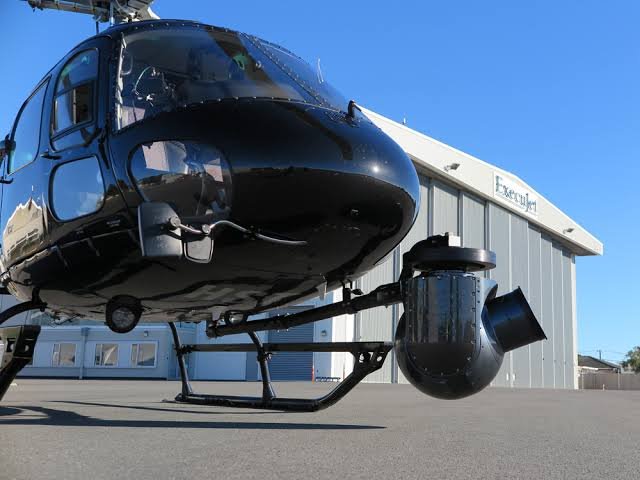
- Helicopters: Can lift nose- or side-mounted gyro-stabilized gimbals (like SHOTOVER or GSS systems) carrying full IMAX, RED, or ARRI Alexa camera packages with heavy anamorphic lenses.
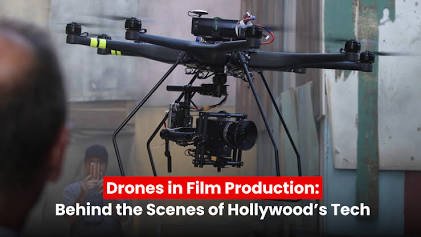
- Drones: Heavy-lift cinema drones can carry full cinema packages, but flight times drop significantly as payload weight increases.
3. Altitude and Regulatory Clearance
| Feature | Helicopters | Drones |
| Max Altitude | Thousands of feet with air traffic control clearance | Typically capped at 400 ft AGL (unless waivered) |
| Close-Proximity Shots | Limited by rotor wash and safety buffers | Excellent for low-altitude, tight indoor/outdoor moves |
| Permitting | Standard FAA flight plans and airspace clearances | Part 107 waivers or specialized local airspace permits |
The Verdict: When to Charter a Helicopter
Opt for a helicopter film charter when your shoot requires:
- Long-distance tracking shots across mountains, oceans, or highways.
- Speeds exceeding 45–50 mph for high-speed chase scenes.
- Extended aerial shoot times without frequent battery swaps.
- Flying heavy IMAX or specialized multi-camera arrays at high altitudes.