
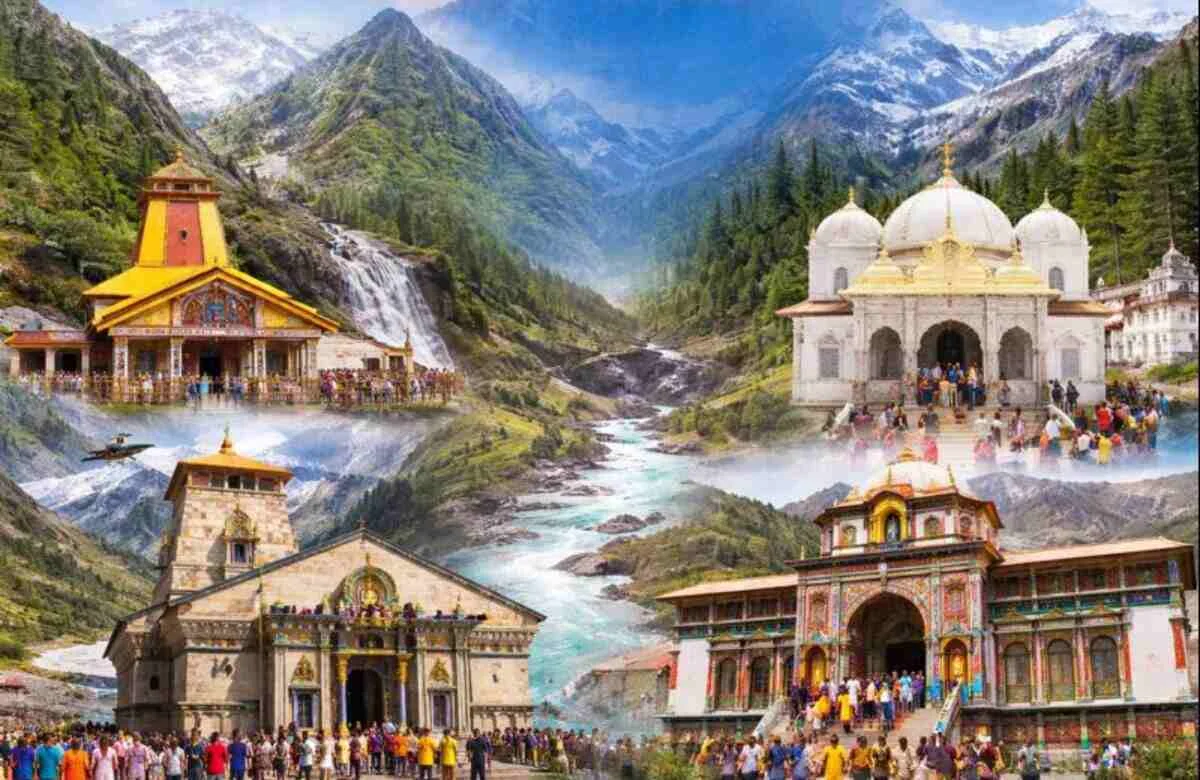
The sacred Char Dham Yatra is much more than a pilgrimage. It is a journey where faith meets the beauty of nature, where mountains inspire devotion, and where rivers flowing through deep valleys create an atmosphere of peace and spiritual awakening. Every year, thousands of devotees travel to the holy shrines of Yamunotri Temple, Gangotri Temple, Kedarnath Temple, and Badrinath Temple to seek blessings and experience inner peace.
Located in the lap of the Himalayas, the Char Dham Yatra perfectly combines spirituality with the natural beauty of Uttarakhand. The journey allows pilgrims to disconnect from busy city life and reconnect with themselves, nature, and divine energy. From snow-covered peaks and dense forests to sacred rivers and peaceful valleys, every part of the yatra creates a spiritual experience that goes beyond temple visits.
The Spiritual Essence of Char Dham Yatra
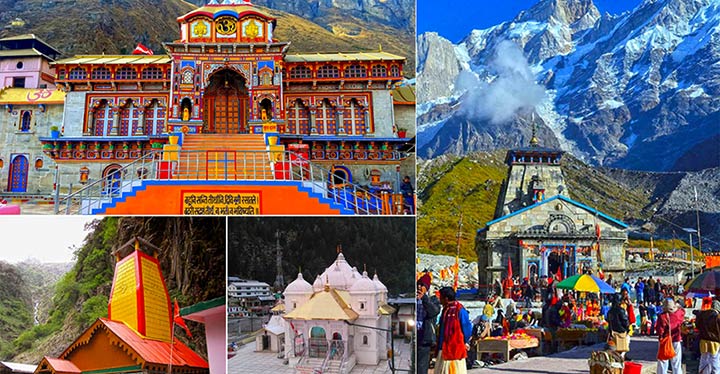
The Char Dham Yatra is considered one of the holiest pilgrimages in Hinduism. Each temple has deep spiritual significance and is associated with powerful legends and beliefs.
- Yamunotri is dedicated to Goddess Yamuna.
- Gangotri is the origin of the sacred River Ganga.
- Kedarnath is one of the twelve Jyotirlingas of Lord Shiva.
- Badrinath is the sacred abode of Lord Vishnu.
Pilgrims believe that visiting these holy shrines washes away sins, brings spiritual purification, and helps achieve salvation. However, what makes this yatra truly unique is how nature itself becomes part of the spiritual experience.
Unlike urban temples surrounded by crowded streets and buildings, the Char Dham temples are located amidst mountains, rivers, glaciers, and forests. This natural environment creates a feeling of calmness and devotion that deeply touches the hearts of travelers.
The Himalayas: The Land of Divine Energy
The Himalayas are often referred to as the “Abode of Gods.” Ancient sages and saints chose these mountains for meditation because of their peaceful atmosphere and spiritual vibrations.
As pilgrims travel through the winding roads of Uttarakhand, they are surrounded by majestic mountain ranges, cool air, and breathtaking scenery. The silence of the Himalayas creates a perfect environment for self-reflection and meditation.
The journey itself becomes spiritual because travelers leave behind distractions and focus on prayer, devotion, and inner peace. Many pilgrims describe the Himalayas as a place where they feel closer to God and more connected to nature.
Sacred Rivers and Their Spiritual Importance
One of the most powerful connections between nature and spirituality during the Char Dham Yatra is the presence of sacred rivers.
River Yamuna at Yamunotri
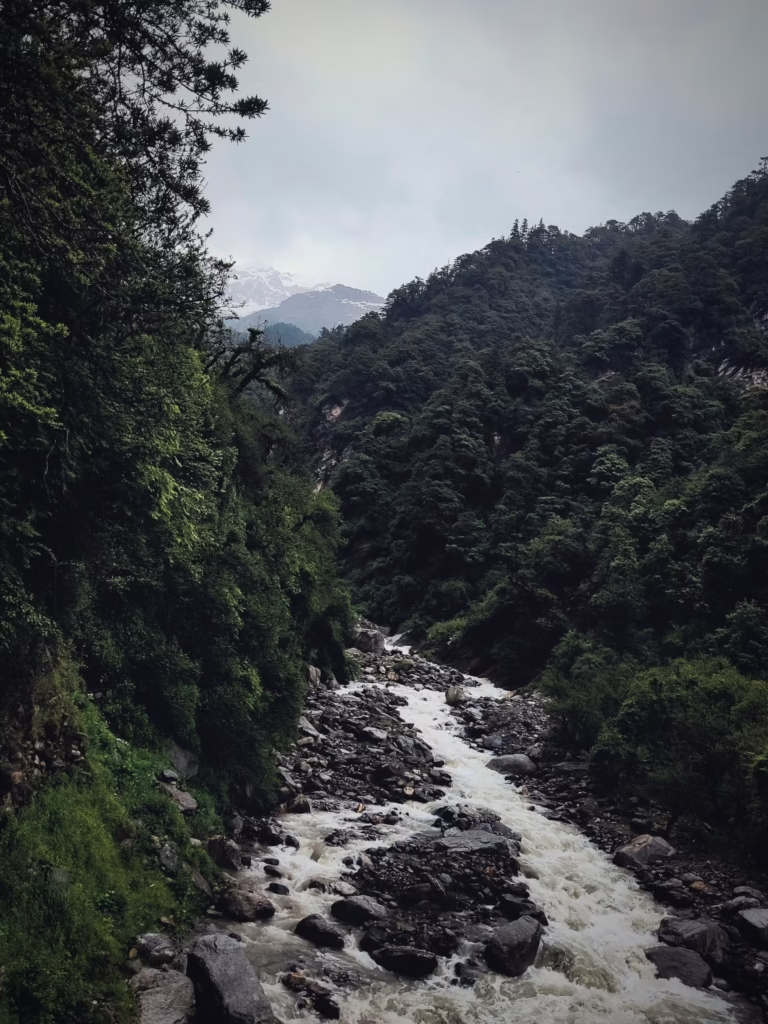
The Yamuna River originates near Yamunotri Temple and is worshipped as a goddess in Hinduism. Pilgrims believe that bathing in the waters of Yamuna protects them from untimely death and purifies the soul.
The sight of the river flowing through rocky mountains creates a peaceful and divine atmosphere.
River Ganga at Gangotri
At Gangotri Temple, devotees witness the sacred origin of the River Ganga, one of the holiest rivers in India.
The sound of flowing water, surrounded by pine forests and snow-covered peaks, creates a deeply spiritual environment. Pilgrims often collect Gangajal because it is considered sacred and pure.
Mandakini River at Kedarnath
The Mandakini River flowing near Kedarnath Temple adds to the spiritual beauty of the region. The sound of the river combined with the temple bells creates an unforgettable experience for devotees.
Alaknanda River at Badrinath
Badrinath Temple is situated along the banks of the Alaknanda River. Pilgrims often sit near the river to meditate and absorb the peaceful energy of the surroundings.
Trekking and Spiritual Awakening
The Char Dham Yatra is not just about reaching temples; it is also about the journey itself. Trekking through mountainous paths becomes a form of spiritual discipline.
The trek to Kedarnath, for example, tests physical endurance and mental strength. Pilgrims walk through steep routes, changing weather, and high altitudes while continuously chanting prayers and remembering God.
This combination of physical effort and spiritual devotion creates a transformative experience. Many devotees feel that overcoming these challenges strengthens their faith and brings them closer to the divine.
Walking through forests, waterfalls, and mountain trails also helps people reconnect with nature in a meaningful way.
Sunrise and Sunset in the Himalayas
One of the most magical experiences during the Char Dham Yatra is witnessing sunrise and sunset in the Himalayas.
As the first rays of sunlight touch the snow-covered peaks, the mountains glow with golden colors, creating a divine atmosphere. Many pilgrims consider these moments deeply spiritual and emotionally moving.
Similarly, evenings filled with temple bells, devotional songs, and cool mountain winds create a peaceful connection between nature and faith.
Wildlife, Forests, and Eco-Spirituality
The Char Dham region is home to rich biodiversity, forests, and wildlife. Travelers often pass through areas filled with pine trees, rhododendron forests, and rare Himalayan plants.
This natural environment reminds pilgrims about the importance of protecting nature. Hindu culture has always respected rivers, mountains, trees, and animals as sacred elements of creation.
The Char Dham Yatra encourages eco-spirituality—the idea that caring for nature is also a form of worship.
Many organizations and travelers now promote eco-friendly pilgrimage practices such as avoiding plastic waste, keeping rivers clean, respecting wildlife, maintaining cleanliness during travel.
Protecting the Himalayan environment ensures that future generations can continue experiencing the spiritual beauty of the yatra.

Meditation and Inner Peace
The peaceful atmosphere of the Himalayas naturally supports meditation and self-reflection.
Far away from crowded cities and daily responsibilities, pilgrims find time to think deeply about life, faith, and personal growth. Sitting quietly near rivers or mountains often creates moments of emotional healing and clarity.
Many travelers describe the Char Dham Yatra as not only a religious journey but also a journey within themselves.
The calmness of nature helps reduce stress and anxiety while increasing feelings of peace and positivity.
Why Helicopter Travel Also Offers a Spiritual Experience
Today, many pilgrims choose helicopter services for the Char Dham Yatra, especially senior citizens and families. While helicopter travel saves time and offers convenience, it also provides breathtaking aerial views of the Himalayas.
Flying above snow-covered mountains, rivers, forests, and valleys gives travelers a unique perspective of nature’s beauty. Many devotees feel overwhelmed with gratitude and devotion while witnessing the grandeur of the Himalayas from the sky.
Helicopter journeys make the sacred pilgrimage accessible to more people while preserving the spiritual essence of the trip.
The Emotional Connection Between Nature and Faith
What truly makes the Char Dham Yatra unforgettable is the emotional connection travelers feel between nature and spirituality.
The mountains symbolize strength and stability.
The rivers represent purity and life.
The forests reflect peace and balance.
The temples inspire devotion and faith.
Together, they create an experience that touches the mind, body, and soul.
Pilgrims often return home with inner peace, stronger faith, emotional clarity, a renewed perspective on life
Conclusion
The Char Dham Yatra is one of the rare journeys where spirituality and nature exist in perfect harmony. Surrounded by the majestic Himalayas, sacred rivers, forests, and peaceful valleys, pilgrims experience a divine connection that goes beyond traditional temple visits.
From the holy shrines of Yamunotri Temple and Gangotri Temple to the spiritual energy of Kedarnath Temple and Badrinath Temple, every step of the yatra reminds travelers of the deep bond between nature and faith.
The Char Dham Yatra is not just a pilgrimage route—it is a spiritual awakening in the heart of nature.