
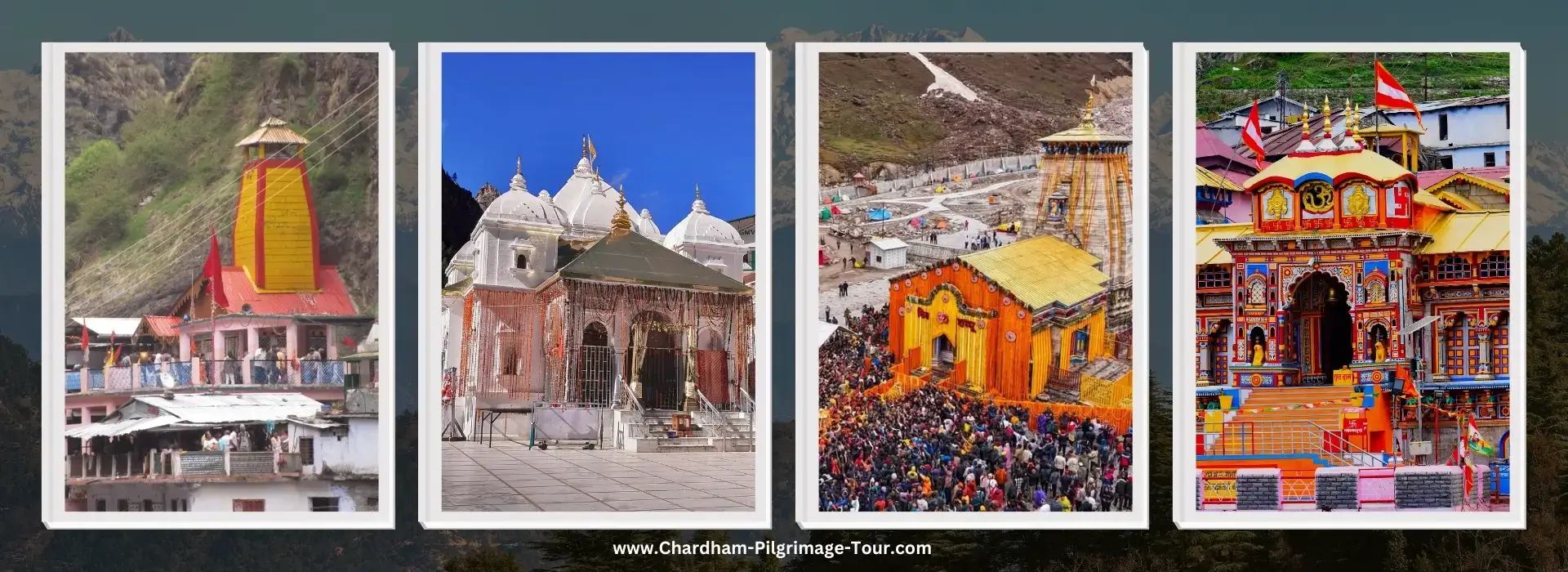
The sacred Char Dham Yatra is one of the most important pilgrimages in Hinduism. Every year, millions of devotees travel to the majestic Himalayas of Uttarakhand to seek blessings from the four holy shrines:
- Yamunotri Temple : Dedicated to Goddess Yamuna
- Gangotri Temple : Dedicated to Goddess Ganga
- Kedarnath Temple : Dedicated to Lord Shiva
- Badrinath Temple : Dedicated to Lord Vishnu
One common question every pilgrim asks before planning the journey is: “Which Char Dham should be visited first?”
The order of visiting the Char Dham temples is not random. It is deeply connected with ancient traditions, religious beliefs, geography, and spiritual practices. According to Hindu customs, pilgrims are advised to follow a specific sequence during the Yatra to complete the pilgrimage properly.
In this blog, below is the detailed explanation of:
- The correct order of Char Dham Yatra
- Why this sequence is followed
- Religious significance of each dham
- Travel planning tips
- Frequently asked questions about the Char Dham route
What Is the Correct Order of Char Dham Yatra?
Traditionally, the Char Dham Yatra is completed in the following order:
- Yamunotri
- Gangotri
- Kedarnath
- Badrinath
The journey is followed in a clockwise direction, also known as “Parikrama” in Hindu tradition.
So, the first dham that should be visited is: Yamunotri. It is not legally mandatory, but spiritually and traditionally recommended.
Pilgrims begin their spiritual journey from Yamunotri and then continue toward Gangotri, Kedarnath, and finally Badrinath.
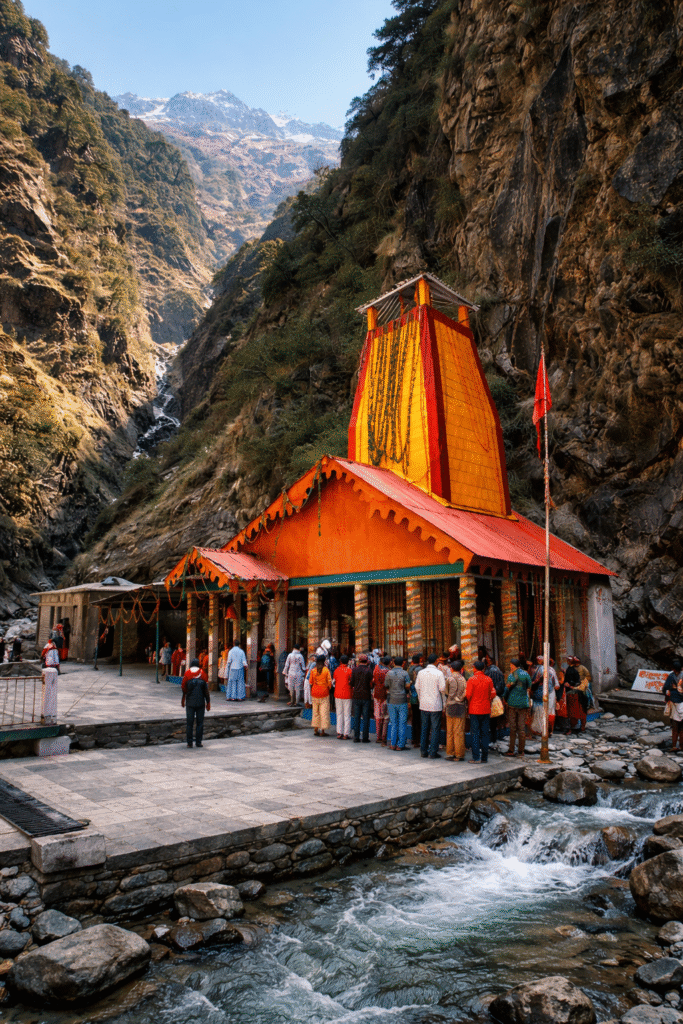
Why Is Yamunotri Visited First?
There are several spiritual and geographical reasons behind starting the Char Dham Yatra from Yamunotri.
- Religious Tradition
For centuries, sages and pilgrims have followed this sequence based on ancient Hindu customs.
The Yatra begins with Yamunotri because the River Yamuna is considered the goddess of life and purity. Starting here symbolizes cleansing oneself before proceeding toward the more spiritually intense shrines.
- Clockwise Direction Is Considered Auspicious
In Hinduism, moving clockwise during religious journeys is considered sacred and spiritually correct.
The Char Dham route naturally follows a clockwise direction:
- West to east
- Then northward
Yamunotri lies on the western side among the four shrines, making it the natural starting point.
- Gradual Altitude Adjustment
Another practical reason is acclimatization.
The Char Dham temples are located at high altitudes in the Himalayas. Starting with Yamunotri helps the body gradually adjust to mountain conditions before reaching higher and more difficult destinations like Kedarnath.
This reduces fatigue, altitude sickness, breathing discomfort.
Spiritual Importance of Each Char Dham
Understanding the significance of each temple helps explain why the sequence matters so much.
- Yamunotri – The Beginning of Purity: Yamunotri Temple is dedicated to Goddess Yamuna.
The temple is situated near the source of the Yamuna River and is surrounded by snow-covered mountains and hot water springs.
Why It Is Visited First
Devotees believe bathing in the Yamuna protects them from untimely death and purifies the soul.
Starting the journey here symbolizes spiritual cleansing, fresh beginnings, protection during the pilgrimage.
- Gangotri – The Sacred River of Salvation
After Yamunotri, pilgrims travel to Gangotri Temple.
Gangotri is dedicated to Goddess Ganga, the holiest river in Hinduism.
Spiritual Importance
The River Ganga is believed to wash away sins and grant salvation.
Pilgrims often collect Gangajal from Gangotri to use in temple rituals, home worship, religious ceremonies, festivals and pujas.
Visiting Gangotri after Yamunotri represents deeper spiritual purification.
- Kedarnath – The Dham of Lord Shiva
The third stop is the famous Kedarnath Temple.
Located at an altitude of around 3,583 meters, Kedarnath is one of the twelve Jyotirlingas of Lord Shiva.
Why Kedarnath Comes After Gangotri
After cleansing the soul through Yamuna and Ganga, devotees seek the blessings of Lord Shiva.
Kedarnath symbolizes inner transformation, devotion, liberation from negative karma.
The challenging trek to Kedarnath is also seen as a test of faith and dedication.
- Badrinath – The Final Destination
The last dham of the journey is Badrinath Temple, dedicated to Lord Vishnu.
Why Badrinath Is Visited Last
Badrinath represents spiritual completion and divine peace.
After seeking blessings from Yamuna, Ganga and Lord Shiva, Pilgrims finally arrive at Badrinath to attain spiritual fulfillment and moksha.
This final destination marks the completion of the sacred Char Dham circuit.
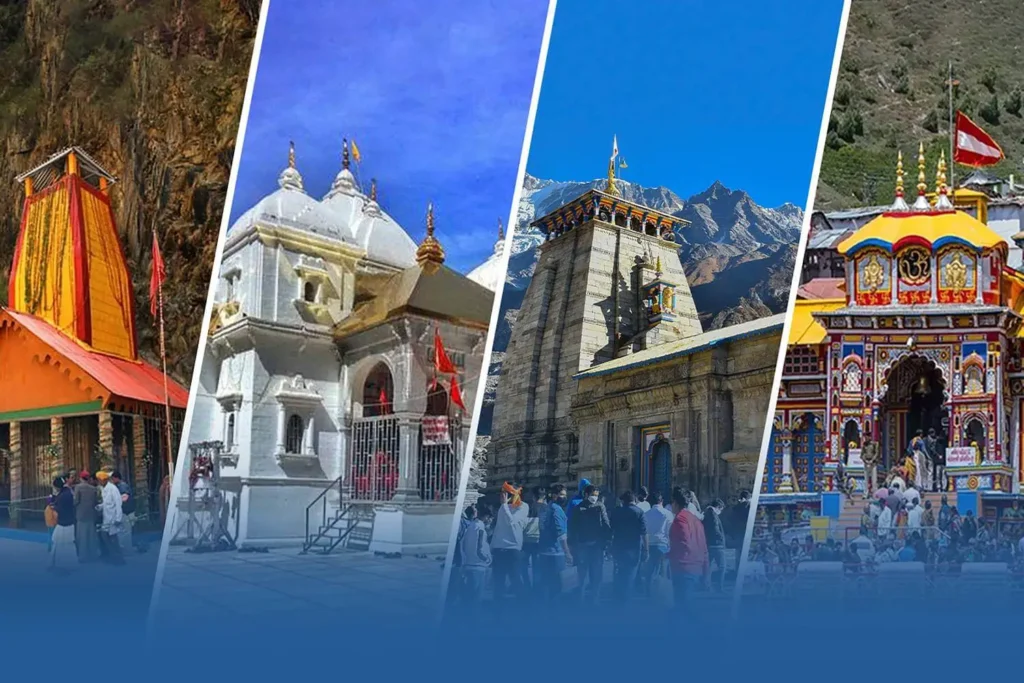
What Happens If the Sequence Is Changed?
Many travelers wonder whether they can visit the temples in a different order.
Technically, yes. Due to:
- Weather conditions
- Road closures
- Helicopter schedules
- Time limitations
Some pilgrims may alter the route.
However, traditionally and spiritually, the recommended order remains:
- Yamunotri
- Gangotri
- Kedarnath
- Badrinath
Following the proper sequence is believed to bring the full spiritual benefits of the pilgrimage.
Char Dham Route Map Overview
The Char Dham Yatra generally starts from:
- Haridwar
- Rishikesh
- Dehradun
From there, pilgrims travel in this order:
- Yamunotri
- Gangotri
- Kedarnath
- Badrinath
Finally, they return to Haridwar or Dehradun.
Why the Sequence Makes Travel Easier
Apart from religious importance, the order is also practical for travelers.
Better Road Connectivity
The route naturally flows from one dham to another without unnecessary backtracking.
Easier Physical Adjustment
The body gradually adapts to:
- Higher altitudes
- Lower oxygen levels
- Cold weather
Better Time Management
Travel agencies and helicopter operators also design most packages according to this traditional route.
Can Char Dham Be Done by Helicopter in the Same Order?
Yes.
Most helicopter packages also follow the traditional sequence:
- Yamunotri
- Gangotri
- Kedarnath
- Badrinath
Helicopter services make the Yatra faster, more comfortable, easier for senior citizens, and devotees with health concerns.
However, weather conditions in the Himalayas may sometimes affect flight schedules.

Best Time to Start Char Dham Yatra
The Char Dham temples generally open between:
- April end
- Early May
And close around:
- October
- November
Best Months to Visit
- May to June
- September to October
Avoid heavy monsoon months because landslides and roadblocks are common in Uttarakhand during July and August.
Tips for First-Time Char Dham Pilgrims
- Begin your journey early in the morning to avoid traffic and weather issues.
- Even during summer, temperatures can become very cold in Kedarnath and Badrinath. Pilgrims are advised to carry warm clothes.
- Pilgrims should stay hydrated as the mountain travel can cause dehydration quickly.
- Acclimatize properly. Take sufficient rest, especially before Kedarnath.
- Must Carry important documents like ID proof, medical records, registration documents.
The correct order of Char Dham Yatra is:
- Yamunotri
- Gangotri
- Kedarnath
- Badrinath
This sequence is based on centuries-old Hindu traditions, spiritual beliefs, and practical travel considerations. Starting from Yamunotri symbolizes purification, while ending at Badrinath represents spiritual fulfillment and divine peace.
Following the traditional Char Dham route allows pilgrims to experience the journey in its true spiritual essence. Whether traveling by road or helicopter, understanding the importance of this sequence can make your pilgrimage more meaningful, organized, and spiritually rewarding.
For millions of devotees, the Char Dham Yatra is not just a trip through the Himalayas—it is a sacred path toward devotion, self-discovery, and inner peace.